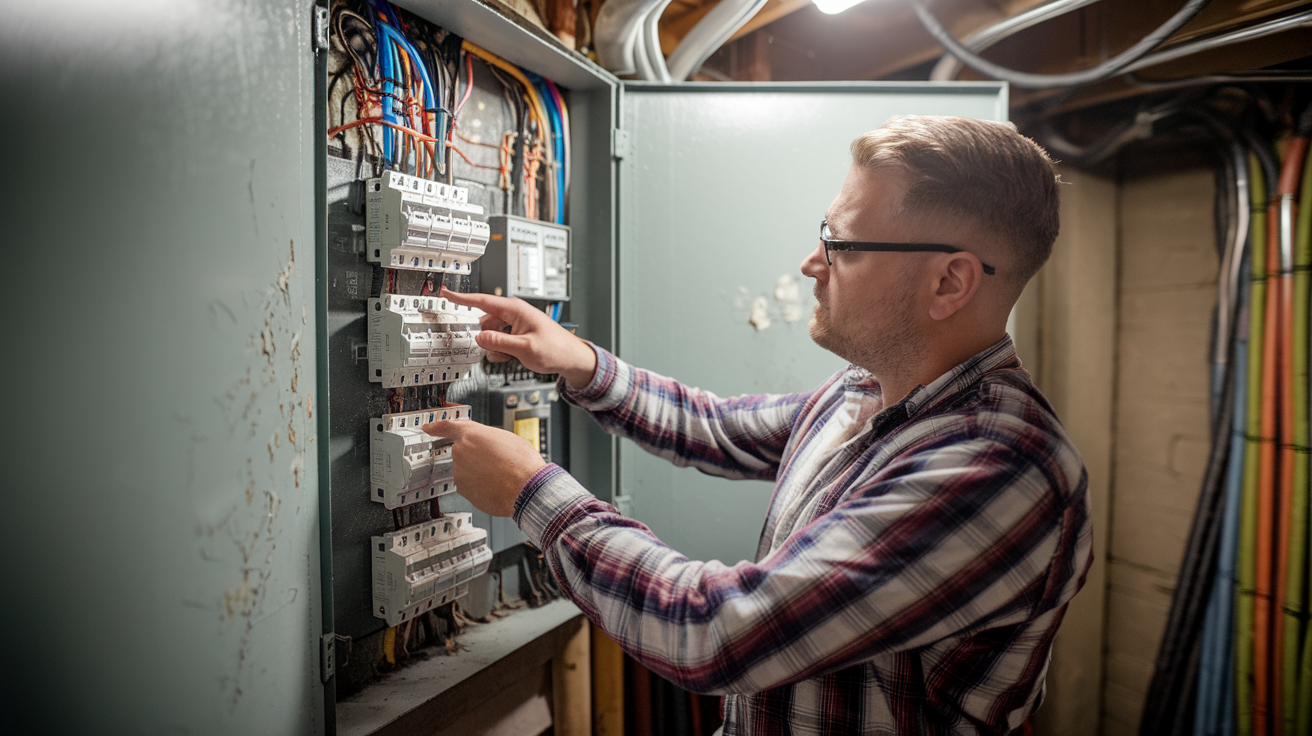
Englewood homeowners are increasingly facing electrical issues stemming from outdated or overloaded electrical panels. Symptoms like flickering lights, frequently tripping breakers, and warm outlets are common indicators that the existing electrical infrastructure is struggling to meet modern demands. These problems often surface subtly, following minor DIY wiring adjustments where outlet replacements or connections are improperly executed, leading to appliance malfunctions weeks or even months later.
Many older homes in Englewood, particularly those built before the 1980s, may not have the capacity to handle the increased electrical load from modern appliances, electronics, and electric vehicle chargers. A standard electrical inspection can reveal these vulnerabilities, checking for proper grounding, surge protection, and adherence to current safety codes. Without these protections, homes face increased risks during storms common to the region.
Delaying necessary electrical repairs or upgrades can lead to serious consequences. Faulty wiring and overloaded circuits are significant fire hazards. Furthermore, insurance companies may deny claims if damage results from unpermitted or non-code-compliant electrical work. Real estate transactions can also be complicated by the discovery of substandard electrical systems, potentially requiring costly remediation before a sale can proceed.
The cost of upgrading an electrical panel in Englewood typically ranges from $1,500 to $4,000, depending on the size of the panel, the complexity of the installation, and the need for additional wiring. While DIY electrical work may seem appealing to save money, New Jersey regulations impose strict boundaries, and violations can result in substantial financial repercussions. Licensed electricians possess the expertise and tools to detect hidden issues, such as voltage irregularities and loose connections, ensuring safety and compliance.
Electrical inspections are recommended every 5-10 years, especially after home additions or renovations. Homeowners experiencing persistent electrical problems or those with homes built before the 1980s should prioritize a professional inspection to identify potential hazards and ensure their electrical systems are operating safely and efficiently. Identifying weak spots allows homeowners to proactively update their electrical systems.
Sources
- https://www.btecelectric.com/why-you-should-never-diy-electrical-work-in-new-jersey/
- https://www.boltelectricfl.com/the-potential-dangers-of-putting-off-your-electrical-repairs
- https://www.zimmermanelectricindy.com/electrical-learning-hub/electrical-issues-over-the-long-term-with-diy-work-vs-hiring-an-electrician
- https://www.faithfulconnectionselectric.com/blog/diy-vs-professional-electrical-work-when-to-call-an-expert
- https://www.njstatelib.org/wp-content/uploads/law_files/imported/Research_Guides/Law/njregister/volume16number18%20page2391-2474.pdf