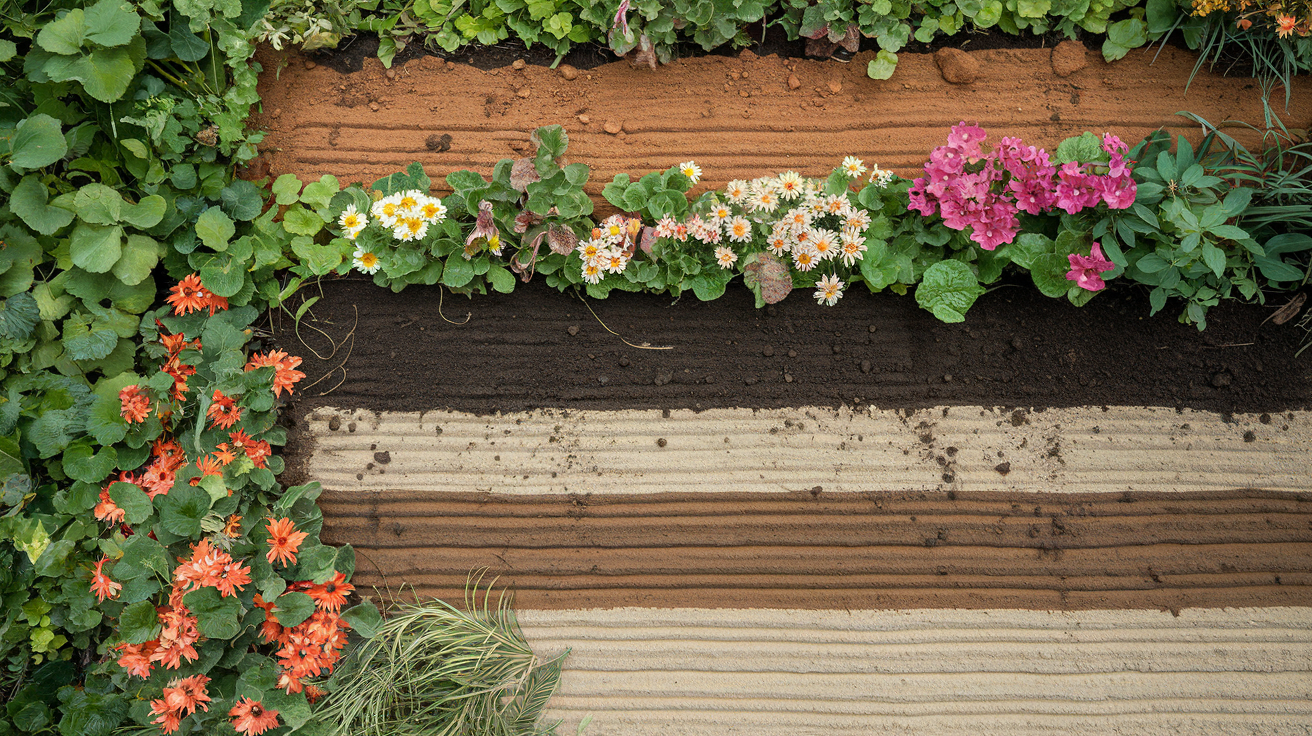
Homeowners in Englewood, NJ may find that the specific composition of their soil significantly impacts their residential drainage systems. Englewood, like much of Bergen County, features a mix of soil types that pose unique challenges for effective drainage solutions.
One of the primary concerns is clay soil, which is prevalent in some areas of Englewood. This dense soil type can impede water absorption, leading to runoff and potential flooding during heavy rainfalls typical of New Jersey's spring and hurricane seasons. Homeowners should be aware that clay-based soils require strategic drainage planning to prevent water from pooling near foundations.
In contrast, sandy soils, found in other parts of Englewood, offer excellent drainage but can be problematic during dry spells. The rapid percolation of water through sandy soil can exacerbate drought conditions, stressing lawns and garden plants. Thus, implementing a combination of organic matter and moisture-retaining methods can help balance drainage and retain necessary moisture levels.
The presence of silt, another component often mixed within local soils, creates additional considerations. Silt particles are finer than sand and can compact easily, which restricts water flow and aeration. Regular aeration and the incorporation of organic matter can alleviate these issues, promoting healthier lawns and garden plants.
Homeowners are advised to conduct soil tests to understand the specific composition on their property better. Englewood residents looking to optimize their drainage systems often turn to soil amendment techniques, such as adding gypsum to break up heavy clay or organic compost to enhance sandy soil's water retention.
By understanding and addressing the particular soil types in Englewood, homeowners can design efficient drainage systems that protect their property from water damage and enhance the overall landscape aesthetics. These proactive measures are crucial in a region where seasonal rains and variable temperatures can present significant landscaping challenges.