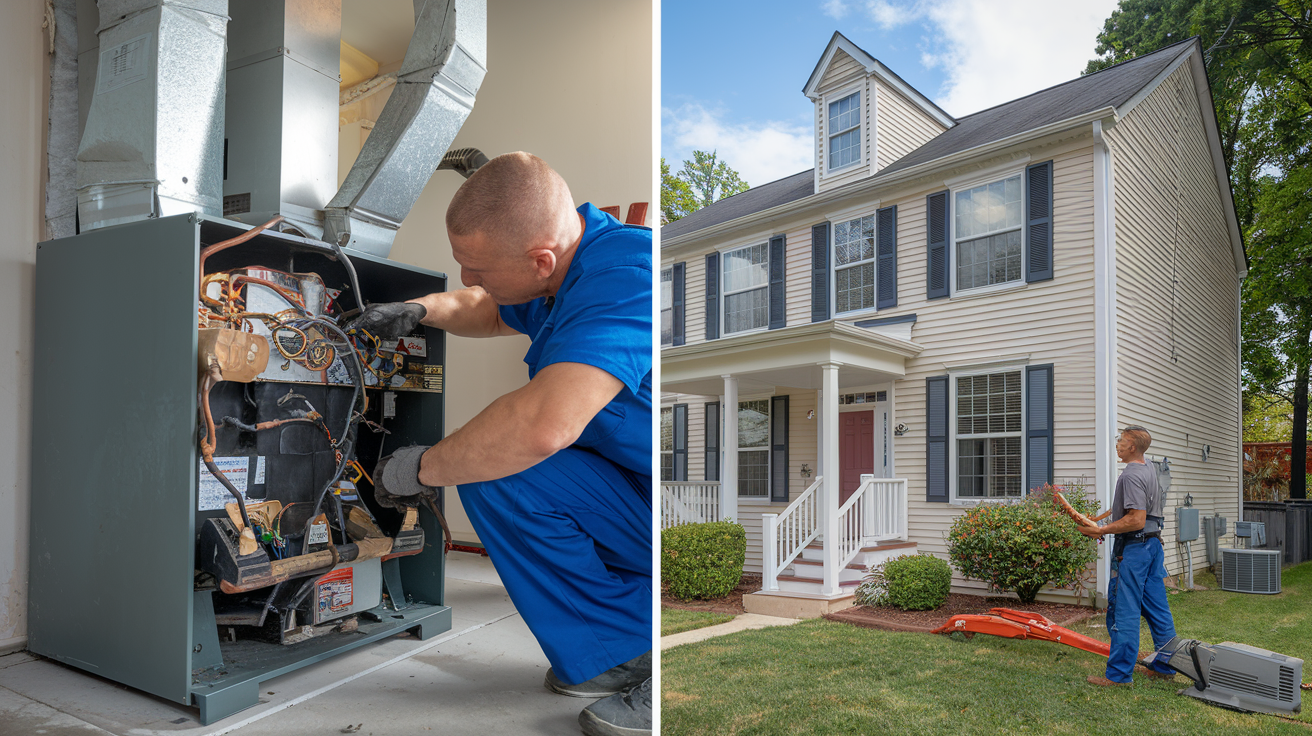
Fort Lee homeowners are facing tough choices as heating bills climb and aging HVAC systems struggle to keep pace with Bergen County's temperature swings. Knowing when to repair versus replace your furnace, boiler, or AC unit can save you money and prevent major headaches.
One of the first signs your HVAC system is failing is a steady increase in your utility bills, even when your thermostat settings haven't changed. Older systems simply lose efficiency over time, forcing them to work harder to maintain the same level of comfort. You might also notice uneven temperatures throughout your home, with some rooms feeling too hot or too cold, indicating airflow problems or a failing blower motor.
Cost is a major factor. A good rule of thumb: if the repair costs exceed 50% of the replacement cost, replacement is likely the smarter long-term investment. Also, consider how often you're calling for repairs. Multiple repairs within a year signal that the system is nearing the end of its lifespan.
Delaying HVAC repairs can lead to bigger problems. Small refrigerant leaks or worn-out fan belts can escalate into system-wide failures, potentially shortening the equipment's lifespan and increasing energy consumption. Faulty systems may also contribute to poor indoor air quality and, in the case of gas furnaces or boilers, even create carbon monoxide leaks. Carbon monoxide detectors are essential, but proper HVAC maintenance is the best defense.
While some basic maintenance tasks, such as cleaning your outdoor AC unit and replacing air filters (at least every 90 days), can be done yourself, more complex repairs require a licensed HVAC contractor. Attempting DIY repairs on advanced components can void your warranty and potentially damage the system further. Remember to verify that any contractor you hire holds the appropriate New Jersey licenses and pulls permits when required, as this ensures the work meets local building codes and safety standards. Inspections are required for some HVAC work in NJ.
Rental units have different rules. New Jersey law mandates landlords provide safe and decent housing, including working heating systems. Tenants should immediately notify landlords of any HVAC issues and document all communication.