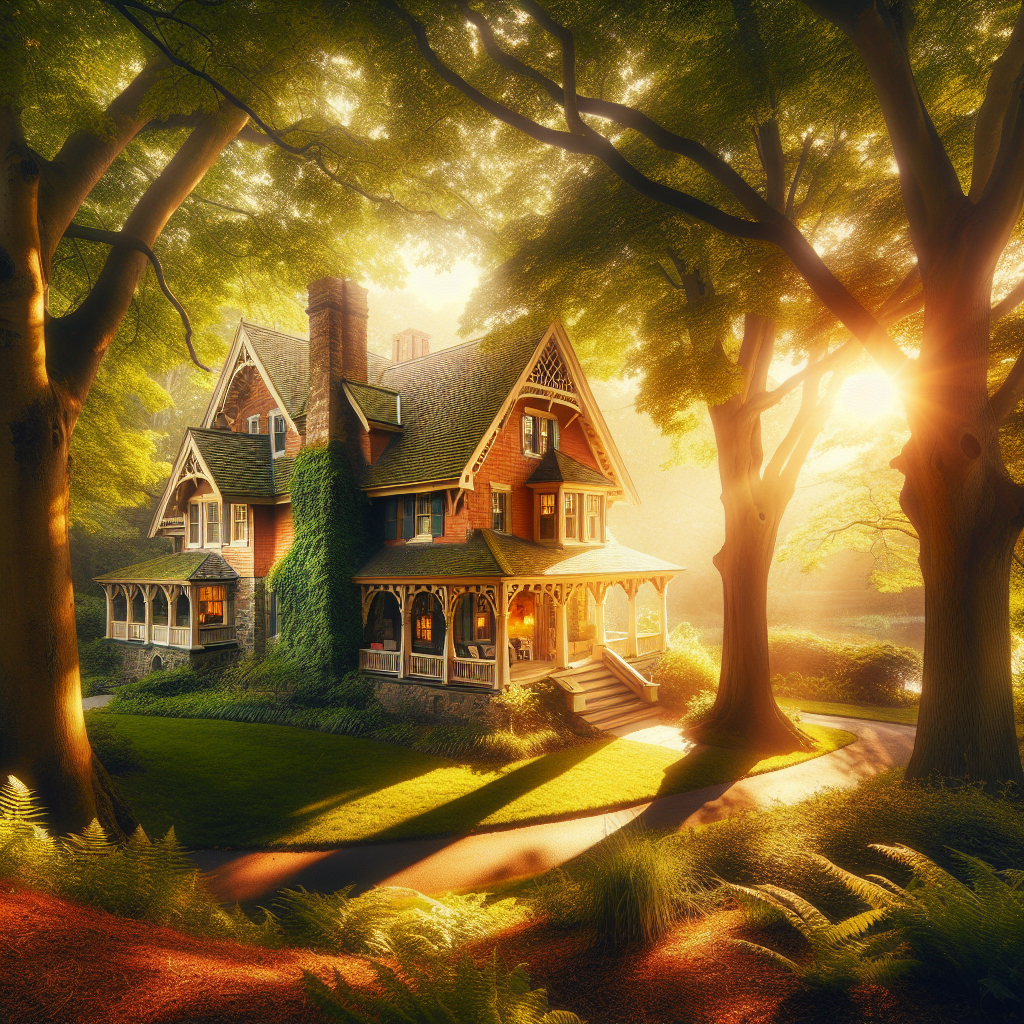
Franklin Lakes offers a unique landscape for construction enthusiasts and homeowners drawn to the charm of historic architecture. Within this Bergen County community, the preservation of historical homes, such as the esteemed Lewis W. Packer House, plays a significant role in maintaining the area’s heritage. Yet, for those wishing to remodel these venerable structures, careful navigation through a multitude of factors is essential.
The task of renovating historical properties in Franklin Lakes requires homeowners to appreciate the delicate balance between retaining the home's original charm and incorporating modern amenities. According to local historic surveys, homes like the William Ward House offer invaluable insights into the 18th and 19th-century farming era, making their preservation even more crucial.
Tradeoffs and Challenges
Renovating homes that are part of Franklin Lakes' rich architectural heritage demand significant consideration of building codes and construction methodologies. While ordinary renovations might prioritize cost-effectiveness and speed, historical home renovations prioritize maintaining architectural integrity. The Secretary of the Interior’s Standards provides a critical framework for these projects, emphasizing the importance of preserving distinctive features and materials.
Permitting and Inspection Realities
Renovating a historic home in Franklin Lakes means grappling with New Jersey’s strict permitting and inspection requirements. Homeowners must often secure special permissions to alter historical properties, with expectations set by both local and Bergen County historical preservation authorities. This process can introduce delays, as the approval timeline for historic homes is typically longer than for modern structures.
Order of Operations
Homeowners should begin by consulting with architectural historians or professionals familiar with the nuances of vernacular architecture. This initial step ensures that any proposed modifications are sensitive to the home's historical context. Following this, a detailed inspection is crucial to assess the condition of existing structures, including the foundation and roof, avoiding unexpected surprises during the remodeling phase.
Furthermore, attention to crafting a sequence of work that aligns with both aesthetic goals and structural necessities is imperative. For example, upgrading historical windows can simultaneously enhance energy efficiency and retain originality, with restoration often being preferable to replacement.
Local Economic Context
Engaging in historic home preservation not only impacts individual households but bolsters the local economy. Historic preservation projects are recognized for creating well-paying jobs and boosting local tourism, rooting economic benefits in community identity and heritage sustainability, according to economic impact studies.
The landscape of Franklin Lakes, interweaving historical richness with suburban development, presents remarkable opportunities for thoughtful and informed renovations. Homeowners who enter this space with readiness to embrace both its challenges and rewards contribute enduringly to the community’s storied fabric.