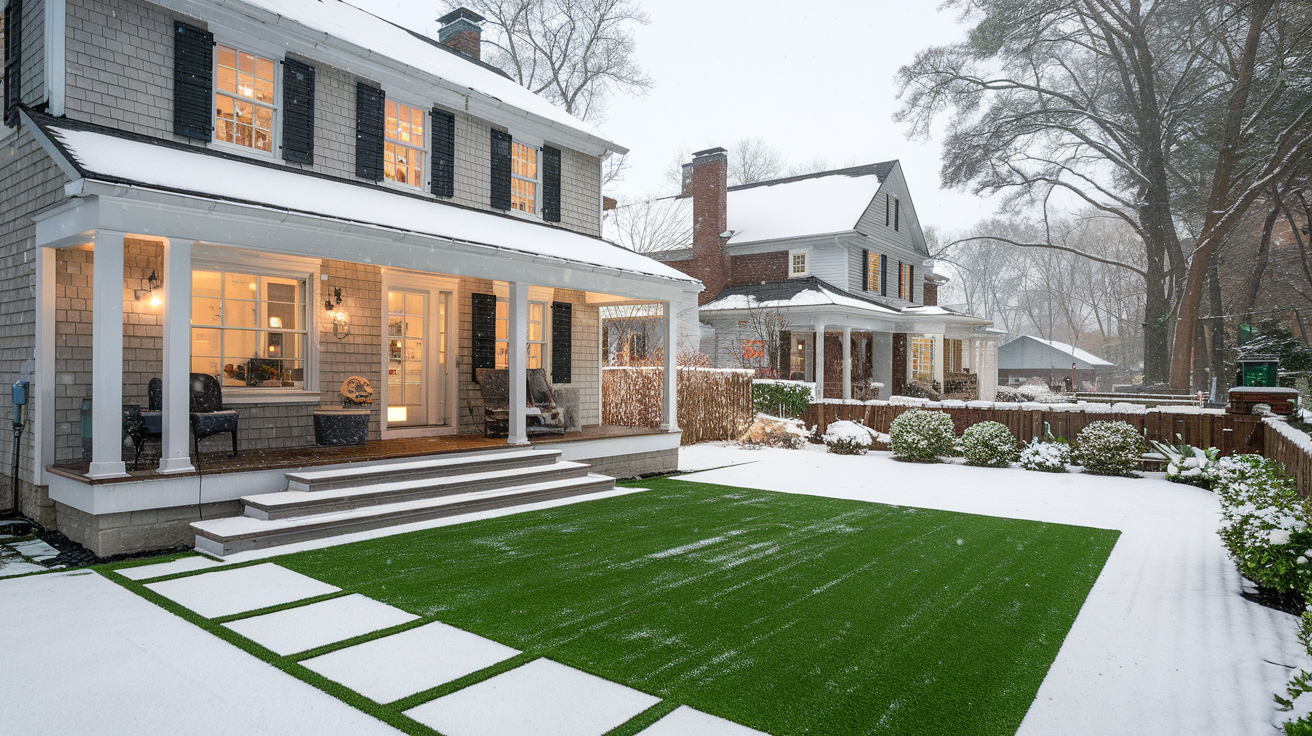
Ramsey homeowners are increasingly weighing the benefits and drawbacks of artificial turf as a landscaping alternative. While marketed as low-maintenance, the long-term implications and costs associated with artificial turf warrant careful consideration, especially given Bergen County's climate and environmental concerns.
One initial appeal of artificial turf is its promise of a consistently green lawn without the need for watering, mowing, or fertilizing. This can be attractive to homeowners seeking to reduce their water bills and yard work, particularly during the warmer months. However, the initial installation cost, often ranging from $3,000 or more for a typical residential yard, can be a significant investment. Homeowners should factor in the lifespan of the turf, typically 10-15 years, and the eventual cost of removal and replacement.
Beyond the financial aspects, environmental factors play a crucial role. Artificial turf contributes to the urban heat island effect, as it absorbs and retains more heat than natural grass. This can lead to higher surface temperatures and increased energy consumption for cooling homes. Furthermore, as artificial turf degrades, it can release microplastics and potentially harmful chemicals into the environment. Unlike natural lawns, it offers no habitat or food source for pollinators, impacting local biodiversity.
Drainage is another critical consideration. Proper grading and drainage are essential for any landscaping project in Bergen County, given the region's susceptibility to heavy rainfall and potential flooding. Artificial turf can exacerbate drainage problems if not installed correctly, leading to water pooling and potential damage to the underlying soil and foundation. Addressing these issues can require additional expense and specialized expertise.
When assessing landscaping options, Ramsey residents should also understand the distinction between repair and what New Jersey defines as "substantial improvement." According to state regulations, projects that involve replacing 50% or more of a structure (or its equivalent cost for habitable buildings) are considered substantial improvements and may be subject to additional permitting requirements. This applies not only to buildings but also to significant landscaping alterations that affect drainage or impervious surfaces.
Ultimately, the decision of whether to install artificial turf requires a comprehensive assessment of costs, environmental impact, and potential drainage implications. While the allure of low-maintenance landscaping is undeniable, a thorough understanding of the long-term consequences is essential for making informed decisions that protect both property value and the environment.